PhD student Katie Larkin takes us into the heart of Ireland’s uplands, why they matter, what’s at stake, and how her research aims to support the communities and ecosystems that depend on them.
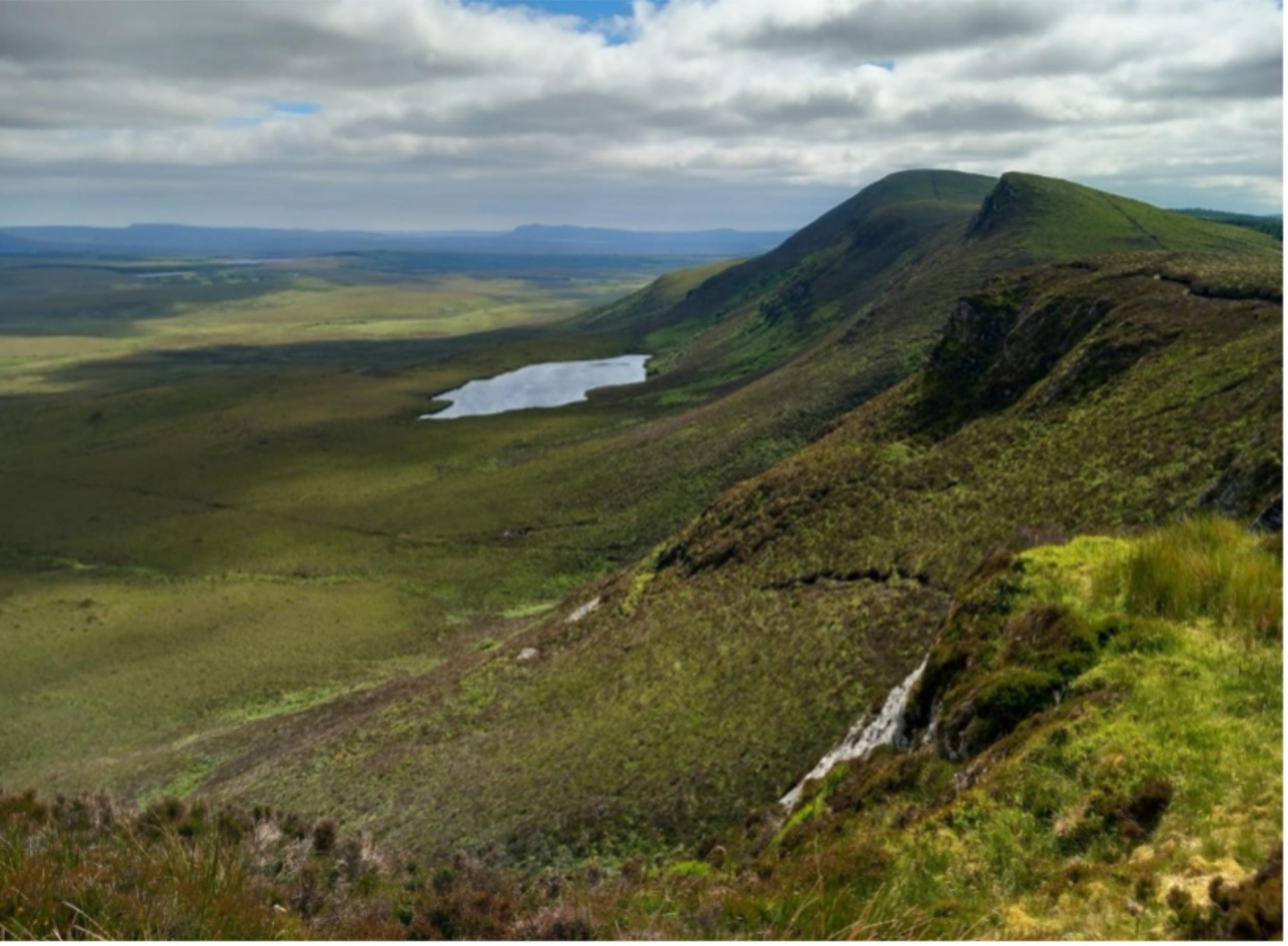
My time spent surveying upland habitats in the west of Ireland has been nothing short of wonderful. These landscapes form a rich mosaic of habitats, from peatlands and heathlands to grasslands and lakes. The purples, greens, browns, and oranges woven across the hills are a constant delight, and even on rainy days, the views remain striking.
Beyond their unique beauty, Ireland’s uplands provide a wide range of benefits to the communities that live among the hills, as well as to those in the lowlands. These benefits, known as ecosystem services, include drinking water, food, and fuel provision, biodiversity support, carbon storage, and recreation opportunities.
Historically, land-use policies have often considered these benefits in isolation. While this approach has supported the delivery of certain ecosystem services, such as food production, fibre, and wind energy, it has frequently come at the cost of others. In particular, the ability of uplands to support biodiversity and store carbon has been diminished. This has prompted calls for more integrated land-use policies that recognise the unique character of upland landscapes and the multiple functions they provide.
Land-use decisions do not only affect the environment; they also impact people. Because these decisions shape both landscapes and livelihoods, it is vital that those who live and work in upland areas are involved in creating the solutions, and that all voices are heard.
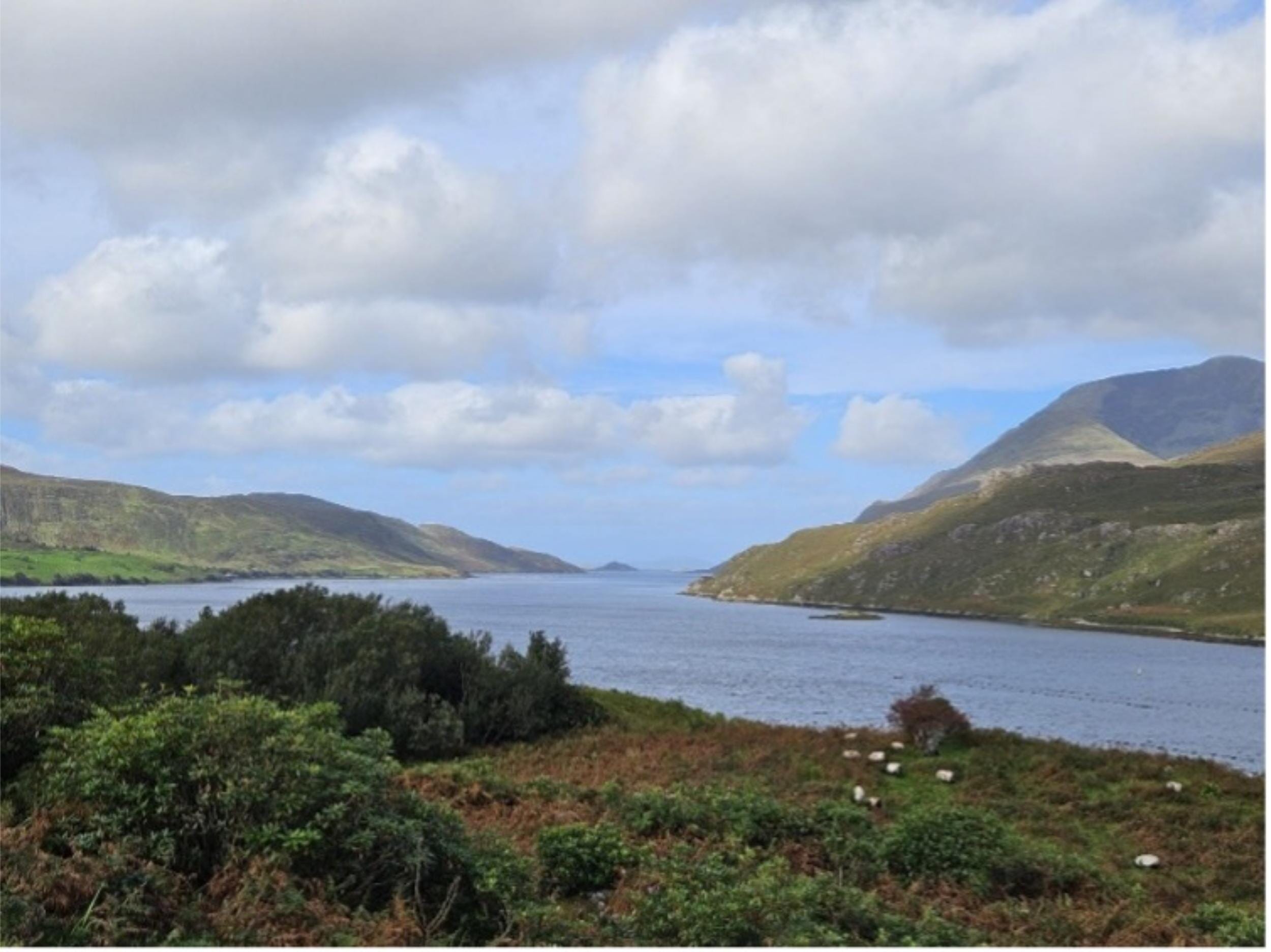
Although still in its early stages, my PhD project, ‘Upland Ecosystem Services and Integrated Land Management Strategies from Policy to Practice,’ is rooted in a collaborative, people-centred approach. I will be working with a wide range of stakeholders, including (but not limited to) policy makers, farmers, and community groups. Together, we will explore how current policies influence upland areas, examine how well these landscapes deliver ecosystem services, and identify both the challenges and opportunities for positive change.
I was fortunate to begin engaging with stakeholders early in my research by attending a conference organised by the Irish Uplands Forum in October 2025. The event brought together a wide range of groups with deep connections to the uplands. Attending this event highlighted the importance of early stakeholder networking and meaningful engagement. There was huge value in hearing people’s concerns first-hand to gain a clear understanding of the challenges and opportunities faced by upland habitats and communities today. The conference also provided me with an opportunity to introduce my research and begin building relationships. I hope this early engagement signalled to stakeholders that their voices matter, and that they will be essential in shaping the research as it develops over the next four years.
By weaving together local knowledge, scientific evidence, and the perspectives of those involved in shaping policy, we aim to develop a practical framework to support sustainable land-use transitions in the years ahead. This approach could help revitalise wildlife, boost carbon capture, protect rivers and water supplies, and enrich the places where people live, work, and spend time. Ultimately, it has the potential to strengthen upland ecosystem service provision on a national scale.
If you are conducting related research, would like to connect, or wish to stay updated on the project’s progress, please feel free to get in touch. Follow me on LinkedIn.