When a flood damages your home or a storm tears through a business, your insurer pays the claim. But what happens when thousands of claims arrive at once after a single catastrophic event? This is where reinsurance comes in, and why climate change is reshaping it.
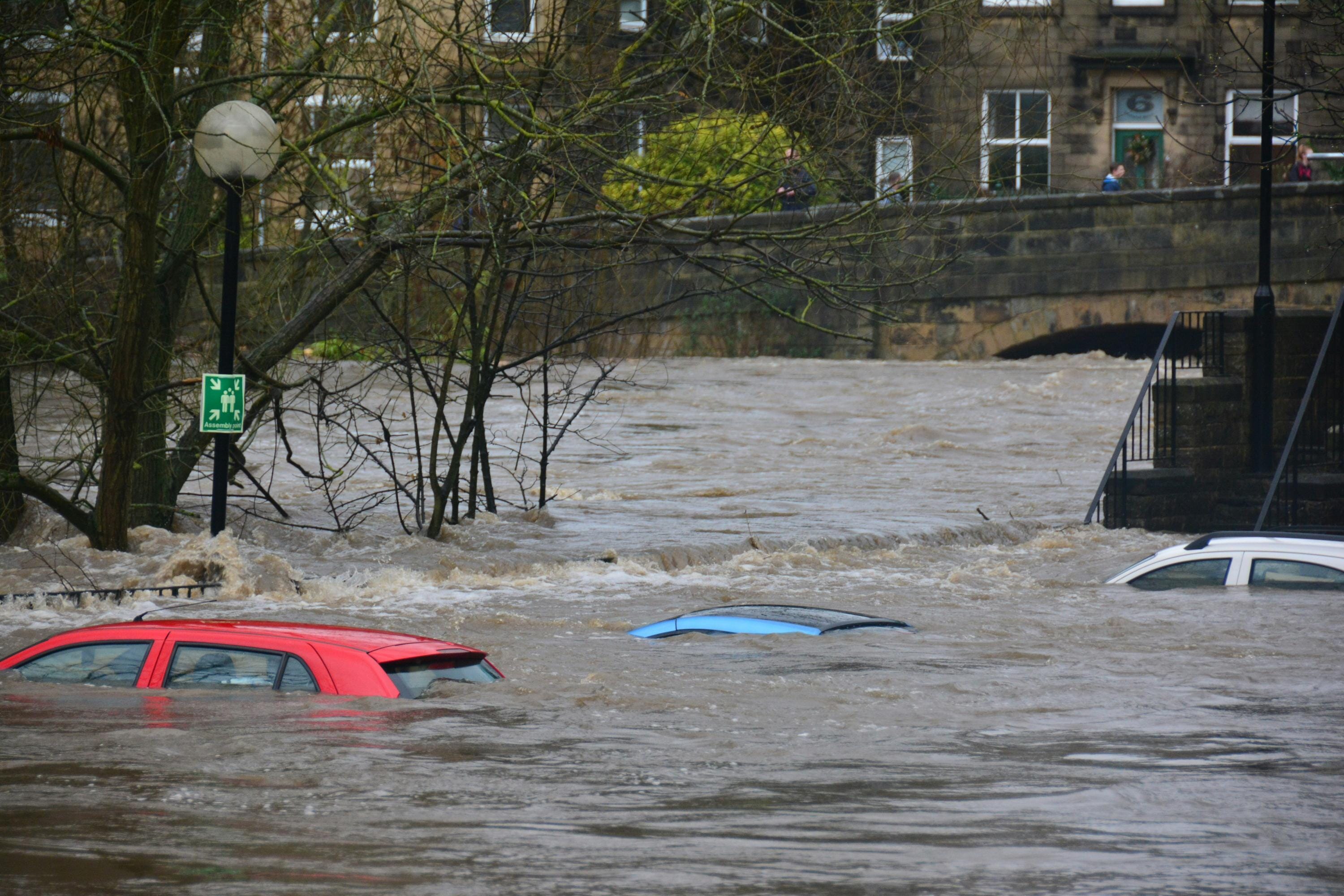
Insurance for insurers
Reinsurance is, simply, insurance for insurance companies. Primary insurers transfer a portion of their risk to reinsurers, who pool risks across regions, sectors and hazards. This diversification is what allows insurers to underwrite catastrophe cover in the first place. Without it, a single major flood or wildfire could bankrupt a regional insurer.
Reinsurers were among the first corporate actors to take climate change seriously. As early as the 1970s, Munich Re and Swiss Re were collecting global data on natural catastrophes, and by the late 1980s their internal memos linked rising losses to anthropogenic global warming, well before bodies like the IPCC were willing to draw the same conclusions (Röper & Kohl, 2024). Their ‘damage perspective’ reframed climate change from an abstract scientific problem into a tangible economic one, and showed how insurance can help societies absorb and recover from climate shocks.
Why climate change is straining the model
The reinsurance system rests on a core assumption: that losses are independent and diversifiable. Climate change is undermining that. Insured catastrophe losses have grown by roughly 5–7% per year in real terms in recent years, and since 2020 annual global insured losses from natural catastrophes have exceeded USD 100 billion.
More importantly, climate hazards are becoming correlated and compounding. The winter of 2013/14 in Ireland and the UK saw repeated storms combine high rainfall with strong winds, causing far more damage than either hazard alone. Yet most risk models still treat rainfall and wind separately. The Climate + Co-Centre’s Understanding Combined Wind and Flood Risk project, led by Newcastle University in partnership with Gallagher Re, is working to close that gap by quantifying compound extremes across Europe and using emerging forecast tools to support more informed reinsurance pricing.
The protection gap
The result is a widening ‘protection gap’ between economic and insured losses. Reinsurers are repricing, restricting cover, or withdrawing from high-risk geographies, with households, businesses and public budgets absorbing the difference. Some climate risks are too large, correlated or too uncertain for private markets to bear alone. In response, Europe, EIOPA and the European Central Bank have proposed a public–private EU reinsurance scheme alongside an EU disaster fund to share these risks across Member States.
Reinsurance alone cannot resolve climate risk, but it tells us something important: the cost of inaction is no longer abstract. Every retreat from a high-risk market, every premium increase, and every uninsurable home is a measurable signal from the financial system about the scale of the problem, and one of the clearest economic indicators we have of a warming planet.
