- Location: Ireland
- Institution: Trinity College Dublin
- Status: Active
- Type: Research
- Theme: Projections
- Timeframe: 2024 - 2029
Share on social
Biodiversity refers to the variety of living things in the world. It is essential for healthy ecosystems and for human life, but it is currently declining across the globe.
In response, the European Union has introduced the Nature Restoration Law. This requires member states to restore at least 20% of damaged land and sea areas by 2030, and to restore all degraded ecosystems by 2050.
In Ireland, meeting these targets requires strong evidence on how best to improve biodiversity while also supporting other important land uses, such as food production and renewable energy.
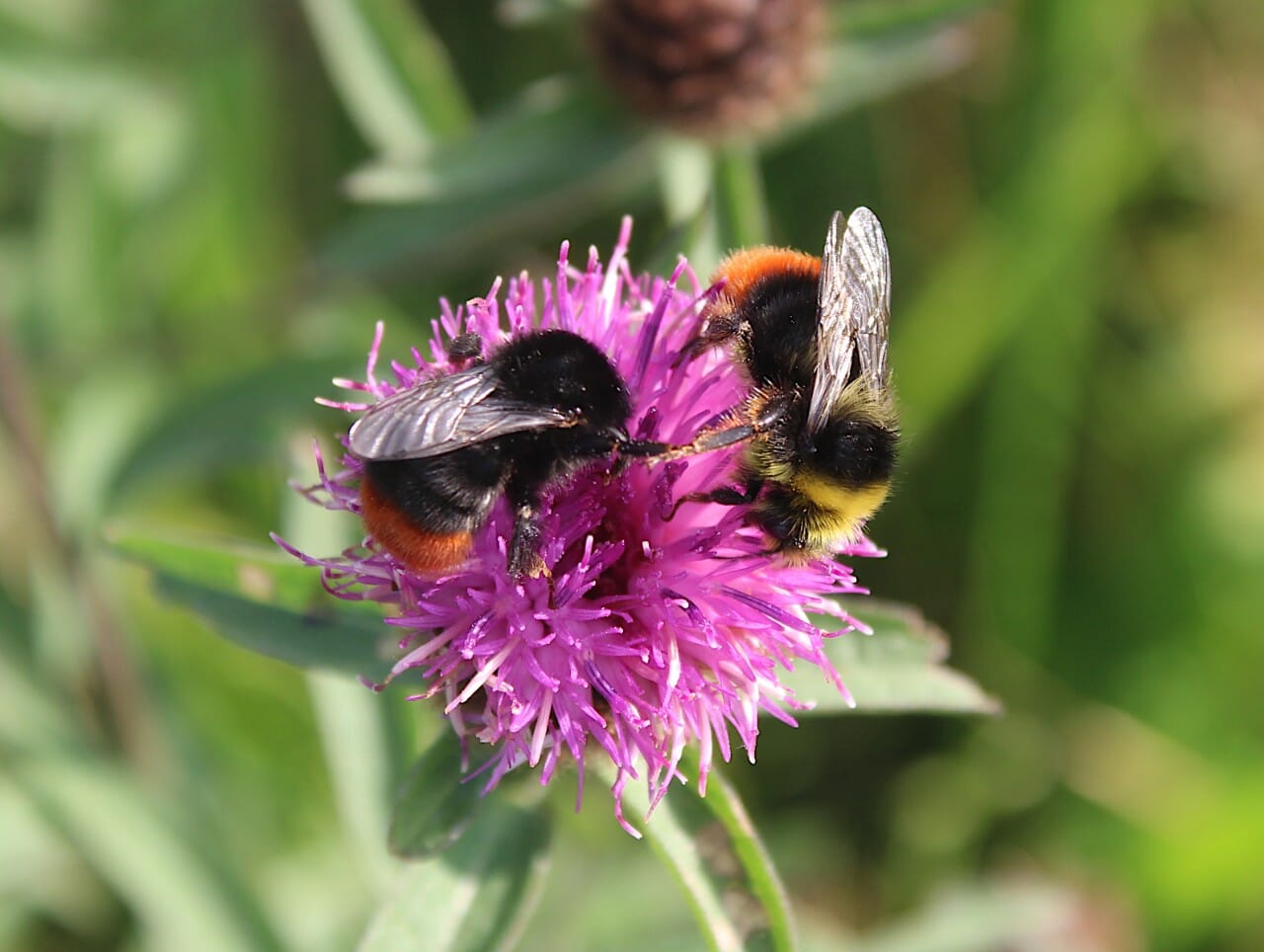
This project aims to provide that evidence by examining how biodiversity is changing in Ireland, which habitats support the greatest ecological benefits, and how species may respond to future climate and environmental change. One part of the project focuses specifically on pollinators, using data from the All-Ireland Bumblebee Monitoring Scheme to assess how bumblebee populations are changing and how monitoring can be strengthened under future mandated EU schemes.
The results will help inform policy decisions about where restoration efforts should be focused to best support biodiversity and ecosystem health in Ireland.
Project Goals
-
Determine which combination of habitats best supports overall ecosystem diversity and function in Ireland
-
Assess trends in Ireland’s bumblebee populations and explore how pollinator monitoring can be strengthened for the future
-
Examine how Irish animal species, and their traits, may respond to future climate and environmental change, based on their global climatic envelopes
-
Identify how conservation and restoration actions can be targeted to maximise benefits for biodiversity and ecosystem health in Ireland


Partner

Institutions