- Location: Great Britain, Ireland, Northern Ireland
- Institution: Newcastle University, Queen's University Belfast, University College Cork, University College Dublin, University of Reading
- Status: Active
- Type: Research
- Theme: Evidence Discovery & Integration
- Timeframe: 2024 - 2029
Share on social
This project uses artificial intelligence (AI) to collate scientific evidence on the relationships between climate change, biodiversity loss and water quality. Following this, human researchers determine what their combined effects mean for ‘One Health’ – human health, animal health and the health of our ecosystems.
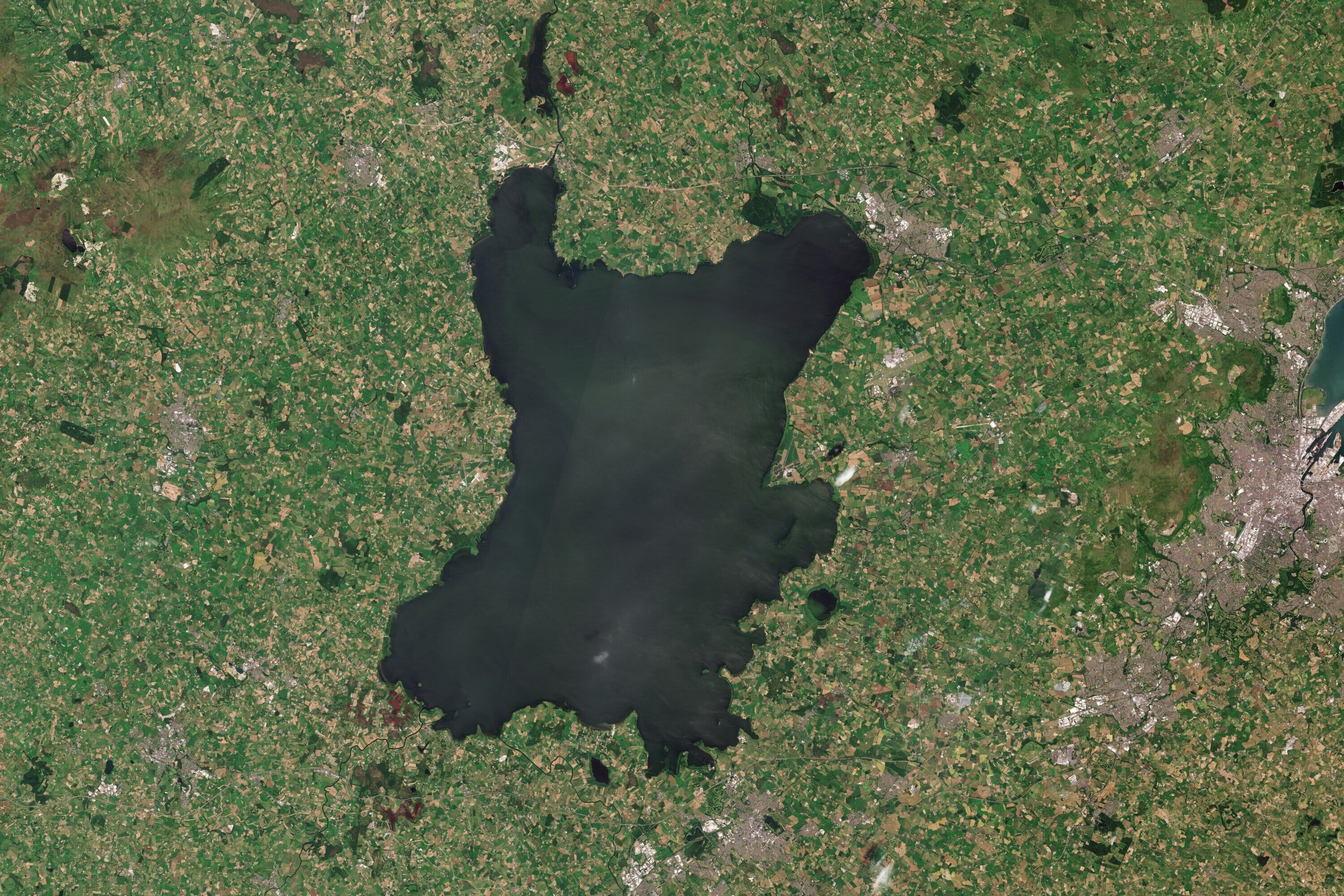
Lough Neagh, the largest freshwater lake in the UK and Ireland, will serve as a central case study given the ongoing crisis facing the lough. Toxic blue-green algae blooms, driven by a combination of agricultural runoff, climate change and biodiversity loss, have caused significant damage to its ecosystems and raised serious concerns about public and animal health.
By understanding what the evidence tells us about Lough Neagh, this project aims to draw out lessons and solutions that can be applied both locally and internationally.
Project Goals
-
Collect and organise a large library of scientific research on climate change, biodiversity loss, water quality and health
-
Train and optimise the AI to read and summarise this research
-
Check the AI’s work by comparing its outputs against expert-reviewed research and IPCC reports, to ensure the findings are accurate and reliable
-
Assess the evidence on the links between climate change, biodiversity loss, water quality and health, identifying the key risks and the communities and populations most vulnerable to these combined pressures
-
Integrate the evidence synthesis system into existing decision-support tools and platforms used by policymakers and researchers
-
Build a searchable database of evidence that policymakers, researchers and land managers can use to inform decisions and interventions
-
Connect the system to existing tools and platforms already used by policymakers and researchers, so that findings are easy to access and act on
-
Work with stakeholders including policymakers, health professionals and community representatives, to gather feedback and make sure the system is practical and genuinely useful to the people who need it most




Institutions